Pain is a complex process in response to negative stimuli. The brain understands pain, and causes a cascade of reactions including inflammation, muscle tightness, and the various painful sensations patients experience. Oftentimes when experiencing pain, patients ask which is better for them: hot or cold?
Per usual when it comes to medicine, it is situation based. So, when do I use ice?
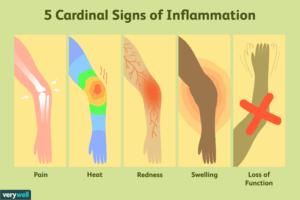
Ice is used when we have an active inflammation process. While inflammation itself is not a bad thing, it is actually one of the mechanisms for healing in the body, it needs to be kept under control. As they say, too much of anything is bad. When we have too much inflammation in an area,not only does it feel warm or look red, but there is actual fluid taking up space in the area of injury. Too much fluid (swelling) in the area blocks channels for bringing new blood and nutrients to the area, as well as the channels that remove waste. This creates a stagnant environment where pressure builds and causes pain to the surrounding structures. This tends to happen in the first 24-72 hours after injury. When this is the case pain levels are usually higher, and ice is recommended to control inflammation and reduce pain.
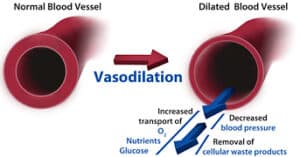
When pain levels are lower and patients describe feeling sore or tight, the patient may consider heat as an alternative. After a workout, or while challenging healing structures, the body uses very light inflammation to help repair muscle. To encourage this muscle healing, heat increases blood flow to the area. Like ice, it also provides an analgesic effect. Acting as an analgesic, the application of heat overloads the heat sensory receptors and distracts the brain from the pain. Between the increased blood flow, oxygen, and reduced pain, the heat allows the muscle to relax and can reduce spasm.
Overall, both ice and heat have an analgesic effect on the body, but they each have specific applications. Ice should be used when pain levels are higher, inflammation is present and uncontrolled, as well as within the first 24-72 hours. If the pain levels are lower and inflammation is controlled but the area is tight or sore, heat may be considered to promote healing.
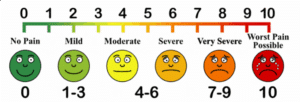
Pro-tip: Dr. Felicia likes to use the initial pain scale for a starting point! Pain at a 5/10 or above uses ice. Below a 4/10 pain, heat can be considered.